If you’ve spent any time this spring refreshing your landscape beds, you already know the drill. You rake out the old mulch, pull the weeds that came up through it anyway, re-edge the beds because the grass crept in over winter, haul in new bags or a delivery of bulk mulch, spread it, and stand back — knowing you’ll be doing all of it again next year.
It’s one of those home maintenance rituals that most Annapolis homeowners accept as just part of owning a yard. But in 2026, a growing number of people in Anne Arundel County are stepping back and asking a simple question: why are we doing this every single year?
The answer, for many of them, is concrete curbing — and once you run the numbers, it’s hard to argue with the math.
The Real Cost of Mulch Nobody Talks About
Mulch seems cheap until you add it all up.
In 2026, most natural wood mulches run $30 to $55 per cubic yard for materials alone, with premium bark or dyed versions reaching $60 to $110 per yard. By the time you factor in delivery and professional installation, full-service mulch installation — material, delivery, and labor — runs $70 to $150 per yard in most regions. LawnguruLawnguru
For a typical Annapolis property with several landscape beds, that’s 4 to 7 cubic yards per refresh. That’s $300 to $1,000 or more every single year, just to maintain the same look you had the year before.
And that’s before you account for everything that goes wrong with mulch. With organic mulches like hardwood or pine bark, a complete replacement is typically needed every 2 to 3 years, though most homeowners opt for an annual top-up of about an inch — which generally costs about 30 to 50% of the original installation. AJM Grounds LLC
Then there’s the bed edging itself. Plastic edging breaks down, pops out of the ground, and needs replacing. Metal edging looks sharp but requires resetting after frost heave. Weed barrier fabric clogs and stops working within a season or two. Professional mulch maintenance services — raking, fluffing, and replenishing — can run an additional $100 to $300 per year. Angi
Add it up over a decade and you’re looking at a serious recurring expense for results that look great in May and ragged by August.
What’s Changing in 2026
Three things are converging right now that are pushing Annapolis homeowners toward a permanent alternative.
Mulch prices aren’t coming down. Supply chain pressures, fuel costs, and labor rates have kept landscaping costs elevated heading into 2026. Most homeowners are spending $250 to $1,350 on landscape mulching in 2026, depending on bed size, depth, mulch type, delivery, and labor. For larger properties in neighborhoods like Severna Park, Arnold, and Cape St. Claire, the high end of that range is very much in play. LandscapioAI
Homeowners are tired of the seasonal cycle. Annapolis-area residents are increasingly looking for one-time investments rather than recurring maintenance contracts. Composite decking instead of wood. Vinyl siding instead of paint. Concrete driveways instead of asphalt. The same logic is now being applied to landscape edging.
The math on concrete curbing has become impossible to ignore. A typical residential property spends $200 to $400 per year on mulch replacement, edging repairs, weed barrier fabric, and the time spent maintaining bed lines. Over ten years, that’s $2,000 to $4,000 on temporary solutions that need redoing every season. A single concrete curbing installation in a comparable price range creates a permanent edge that doesn’t decompose, shift, or need annual replacement. Premieredgecs
What Concrete Curbing Actually Does for Your Landscape
Concrete curbing isn’t just a border. It’s a system that changes how your entire landscape functions.
It contains mulch and gravel permanently. One of the biggest frustrations with traditional bed edging is that mulch migrates — onto the lawn, into the driveway, down the slope after a hard rain. A continuous poured concrete curb creates a solid physical barrier that keeps everything where you put it.
It eliminates the most tedious edging work. That weekly or biweekly job of re-cutting a crisp line between your grass and your beds? Gone. Concrete curbing creates a permanent, clean boundary that the lawn cannot cross. No more creeping grass into the flower beds.
It defines your landscape design in a way mulch alone cannot. Decorative concrete curbing can be stamped, colored, and shaped to complement your home’s exterior — whether that’s a natural stone look, a brick pattern, or a clean contemporary profile. It becomes a design feature, not just a maintenance solution.
It lasts. With proper care and maintenance, concrete edging can last anywhere from 10 to 30 years. That’s 10 to 30 springs where you don’t have to order mulch. Concretecurbing
How the Numbers Actually Compare
Let’s put this side by side for a typical Annapolis property — say, 150 linear feet of landscape bed edging around the front yard and foundation plantings.
Annual mulch refresh scenario:
- 5 yards of hardwood mulch, delivered and installed: ~$425–$750/year
- Plastic or metal edging replacement every 2–3 years: ~$75–$200
- Weed barrier fabric every 2–3 seasons: ~$50–$150
- Professional bed maintenance: ~$150–$300/year
Estimated 10-year cost: $7,000–$12,000+
Concrete curbing scenario:
- Professional concrete curbing runs $12 to $20 per linear foot for typical residential work in 2026, including labor, materials, and a standard sealer. For decorative or stamped profiles, that can reach the higher end of the range. Curb Depot
- 150 linear feet of standard curbing: approximately $1,800–$3,000, installed once
- Occasional sealer reapplication over 10 years: ~$200–$400 total
Estimated 10-year cost: $2,000–$3,400
The concrete curbing pays for itself — typically within 3 to 5 years — and continues delivering value for decades afterward.
What to Expect During Installation
One of the reasons homeowners hesitate is not knowing what the process looks like. Here’s what a typical concrete curbing installation in Annapolis involves:
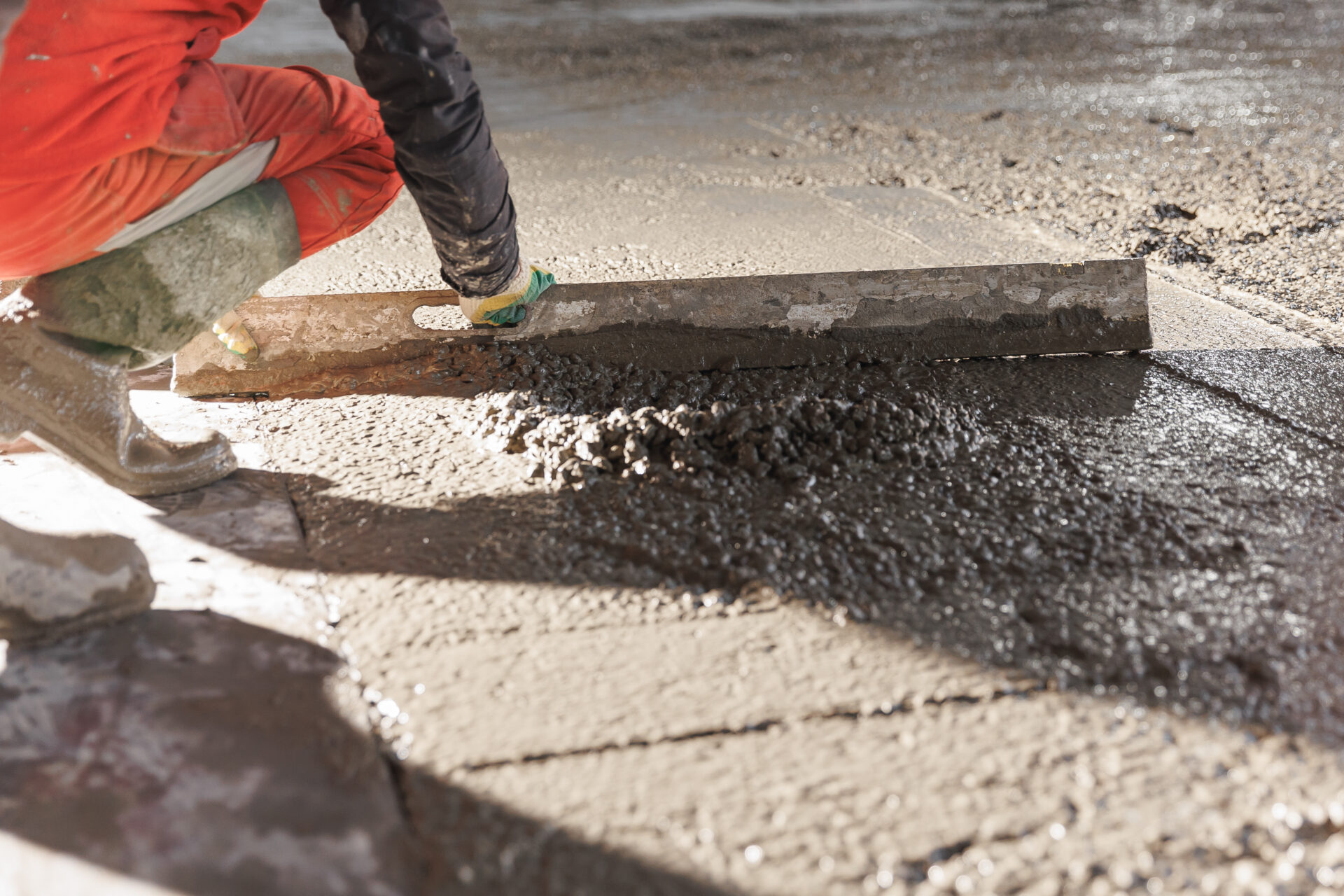
The timeline is fast. Once the area is prepped, it typically takes 1 to 2 hours for a professional to pour a concrete curb, and most curbing installation jobs take no more than one full day to complete. Concretecurbing
The disruption is minimal. There’s no major excavation, no heavy equipment tearing up the yard. The area is prepped, the concrete is extruded using specialized equipment, and the crew is typically done the same day.
The curing is quick. Most of the curing occurs within the first 24 to 48 hours, so you’ll want to keep foot traffic and lawn equipment off it briefly — but you’re not looking at weeks of caution tape. Concretecurbing
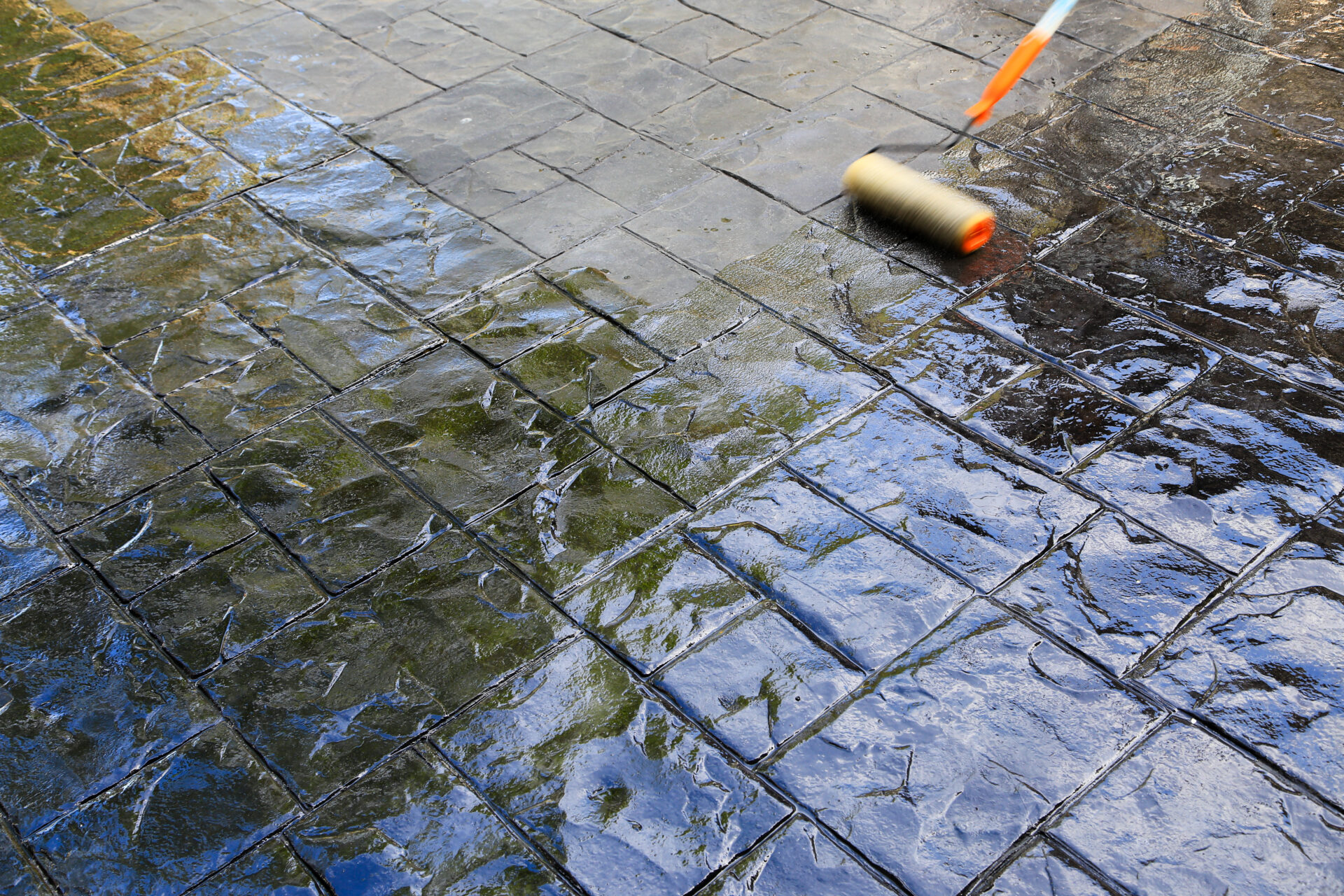
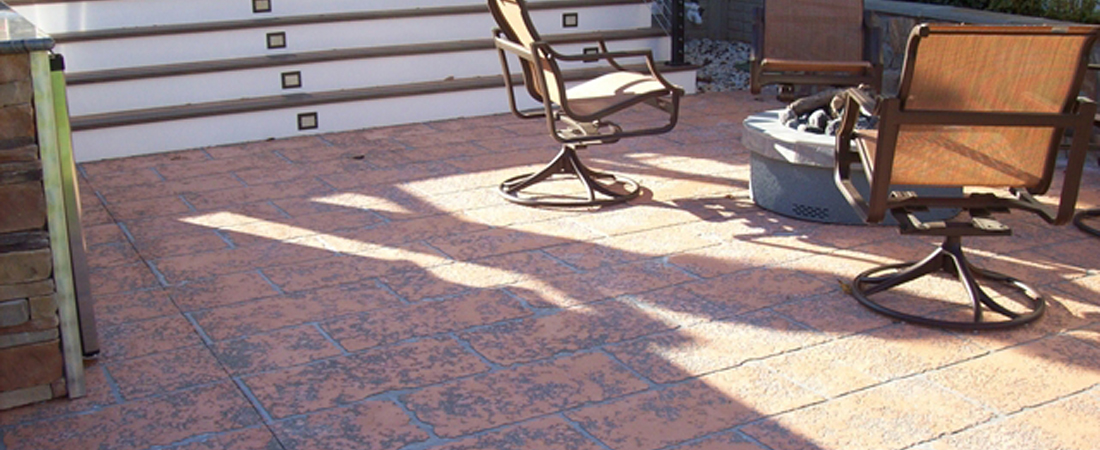
The options are extensive. Color is integral to the concrete mix, not painted on — so it doesn’t peel or fade. Stamp patterns can replicate stone, brick, cobblestone, or wood grain. Profiles range from a simple mower-friendly slant to a raised decorative border.
Why This Matters Specifically for Maryland Yards
Maryland’s climate adds an extra reason to consider concrete over traditional edging materials.
Our winters cycle repeatedly through freezing and thawing — sometimes multiple times in a single week. That freeze-thaw action destroys plastic edging, pops metal edging out of the ground, and accelerates mulch decomposition. It’s why Annapolis homeowners are constantly resetting their bed lines in April.
Quality poured concrete curbing — particularly when reinforced and properly installed — handles Maryland winters far better than the alternatives. The key is the mix quality and the installation. A properly extruded concrete border with adequate depth holds its position through frost heave far better than block edging or any flexible material.
This is also why Maryland homeowners are often better served by a local contractor who understands the region’s soil conditions and seasonal patterns than by a national franchise using one-size-fits-all methods.
The Curb Appeal Bonus
Here’s something the cost analysis doesn’t fully capture: how it looks.
A freshly mulched bed looks good for about six weeks in May. By July, the color has faded. By September, it’s thin, weedy, and migrating. Concrete curbing looks sharp twelve months a year. It frames your landscape the way a picture frame finishes a painting — giving everything inside it a polished, intentional appearance.
A well-landscaped yard is an important selling feature for many potential buyers and can increase property values by up to 20%. High-quality, permanent landscape features signal to buyers that a property has been maintained at a higher standard — and in competitive Anne Arundel County neighborhoods, that distinction matters. Home Advisor
Is Concrete Curbing Right for Every Yard?
Concrete curbing works well for the vast majority of residential landscapes. It’s particularly well-suited to:
- Properties with defined planting beds around the foundation, driveway, or walkways
- Homeowners who mulch the same beds every year and are tired of the cycle
- Yards with grass constantly creeping into the beds
- Anyone planning to sell within the next 5–10 years who wants low-maintenance curb appeal
- Properties where mulch frequently migrates after rain
It’s less suited to landscapes that change frequently — if you’re planning a major redesign in the next year or two, it may make sense to wait until your bed layout is finalized before installing permanent curbing.
What Annapolis Homeowners Are Saying
We’ve seen this conversation play out dozens of times. A homeowner calls us about mulch containment — their beds look messy no matter how much they put in. We walk the property, show them what curbing would look like, run through the cost comparison, and more often than not, the reaction is the same: I wish I had done this years ago.
Because once you stop paying for mulch every spring, the curbing has paid for itself. And the yard looks better in November than it used to look in June.
Ready to Stop the Mulch Cycle?
Maryland Curbscape installs decorative concrete curbing throughout Annapolis, Cape St. Claire, Severna Park, Arnold, and surrounding Anne Arundel County communities. Every installation is custom — colored, stamped, and shaped to complement your property.
If you’re tired of the annual mulch routine and want a permanent solution that actually looks better over time, we’d love to walk your property and give you a free quote.
📞 Call us: 443-623-2068
🌐 Request a free estimate: marylandcurbscape.com/contact
No pressure. No obligation. Just a clear picture of what’s possible and what it would cost for your specific property.
Sources: LawnGuru, Angi, HomeAdvisor, HomeGuide, Premier Edge Concrete Solutions, Curb Depot, LawnStarter, LawnLove. All cost figures reflect 2026 national and regional data.
Frequently Asked Questions
How long does concrete curbing last in Maryland’s climate?
With proper care and maintenance, concrete edging can last anywhere from 10 to 30 years. The key in Maryland specifically is quality of installation — a properly mixed and reinforced concrete curb handles our freeze-thaw cycles far better than block edging or flexible alternatives. Cheap mixes that skimp on cement content tend to flake and heave after a few hard winters. A quality installation from a local contractor who understands Anne Arundel County soil conditions should give you decades of performance with minimal intervention. Concretecurbing
Will concrete curbing crack over winter?
It can, if it’s installed poorly. The biggest risk factors are a weak concrete mix, inadequate depth, and improper curing. A professionally installed poured concrete curb using a fiber-reinforced mix with adequate ground contact is designed to flex slightly with the ground rather than fracture. At Maryland Curbscape, every installation includes proper site preparation and a sealed finish specifically to protect against moisture infiltration — the primary driver of freeze-thaw cracking.
Do I still need mulch if I install concrete curbing?
Yes — curbing doesn’t replace mulch, it just makes mulch work far better. The curbing acts as a permanent containment border, so your mulch stays where you put it instead of migrating onto the lawn or washing down the slope after rain. Many homeowners find they use significantly less mulch after curbing because it’s no longer escaping the beds. You’ll still want a layer for weed suppression and soil moisture retention, but the annual top-up becomes a small, easy refresh rather than a full replacement.
How much does concrete curbing cost in the Annapolis area?
For 2026, expect professional concrete curbing to run between $12 and $20 per linear foot for typical residential work, including labor, materials, and a standard sealer. Decorative and stamped profiles sit toward the higher end of that range. For most Annapolis-area homes with 100 to 200 linear feet of bed edging, total project costs typically fall between $1,500 and $4,000. The best way to get an accurate number for your specific property is a free on-site estimate — layout, terrain, and design choices all affect the final price. Curb Depot
How long does the installation take?
Once the area is prepped, it typically takes 1 to 2 hours for a professional to pour a concrete curb, and most installations are completed within a single day. You’re not looking at a multi-day project or major disruption to your yard. The concrete needs 24 to 48 hours before foot traffic, but the bulk of curing happens quickly — most homeowners are fully back to normal within two days. Concretecurbing
Can concrete curbing follow curves and irregular bed shapes?
Absolutely — this is one of concrete curbing’s biggest advantages over rigid block edging. Poured concrete is extruded in a continuous flow, which means it can follow sweeping curves, tight corners around tree rings, and irregular organic bed shapes without seams or joints. If your beds have a freeform design, poured concrete curbing is actually better suited to the job than almost any other material.
What color and style options are available?
The options are wide. Color is mixed integrally into the concrete — not painted on — so it won’t peel, chip, or fade over time. Popular choices for Annapolis-area homes include earth tones like sandstone, tan, and terra cotta, as well as charcoal and natural gray for more contemporary looks. Stamp patterns can replicate the appearance of brick, cobblestone, flagstone, or a clean smooth profile. Profile shapes range from a low mower-friendly slant to a raised decorative border. We’ll walk you through the options that make sense for your home’s exterior during the estimate.
Will curbing prevent weeds from growing in my beds?
Curbing stops grass from creeping in from the lawn — which is one of the primary ways weeds establish in planting beds. It won’t stop airborne weed seeds from germinating in the mulch itself, but by containing your mulch layer properly and keeping lawn grass out, it significantly reduces the ongoing weed problem most homeowners deal with. Combined with a fresh mulch layer laid at the right depth, curbing gives you the cleanest, lowest-maintenance beds possible.
Does concrete curbing add value to my home?
Yes, in the same way any quality permanent exterior upgrade does. Landscape curbing may increase your home’s value depending on location, design choices, and current market conditions, and a well-landscaped yard can increase property values by up to 20%. More practically, permanent concrete curbing signals to buyers that a property has been maintained at a higher standard — it’s the kind of detail that makes a home photograph well and show well. In competitive Anne Arundel County neighborhoods, that matters. Home Advisor
Do I need to seal concrete curbing after installation?
A sealer is applied at installation and is an important part of protecting the finish and color. Over time — typically every 3 to 5 years — a fresh coat of sealer helps maintain the appearance and provides continued protection against moisture. It’s a simple, inexpensive maintenance step that’s a fraction of the cost of an annual mulch refresh.
Can curbing be installed around existing trees?
Yes, with some care. Tree rings are actually one of the most popular applications for decorative concrete curbing. The key is giving the tree adequate root space — the curb should be installed far enough from the trunk to allow the root system to expand. An experienced installer will know how to layout the curb to protect both the tree and the surrounding lawn.
What’s the best time of year to install concrete curbing in Maryland?
Spring through early fall is the ideal window — generally April through October in the Annapolis area. Concrete should not be poured in freezing temperatures, as it needs proper conditions to cure correctly. May is actually an excellent time because the ground has thawed, temperatures are stable, and you’ll have the curbing in place before the heat of summer. If you’re thinking about it, now is the right time to schedule.
Ready to get a quote?
📞 443-623-2068 🌐 marylandcurbscape.com/contact
Maryland Curbscape serves Annapolis, Cape St. Claire, Severna Park, Arnold, and surrounding Anne Arundel County communities. Free estimates, no obligation.